
What Is Ranpak and How Paper Packaging Protects Your Shipments?
If you’ve opened a package from MyUS and found crumpled or structured paper surrounding your purchases, you may have wondered why it’s there. The answer is simple: that paper packing material is part of a carefully considered approach to international shipping packaging, designed to keep your items protected as they travel through sorting facilities, trucks, aircraft, and multiple delivery networks.
One name you may see associated with this type of packaging is Ranpak, a company that develops paper-based protective packaging solutions for e-commerce and supply chains. Ranpak has developed packaging systems since 1972, with products designed for cushioning, wrapping, and filling space inside shipping boxes.
But why paper? Isn’t bubble wrap more protective? Packing peanuts maybe? And can a few layers of paper really keep fragile purchases safe on an international journey?
Here’s what you need to know.
What Is Ranpak?
Ranpak is a packaging company specializing in paper-based solutions for protecting products during shipping. But rather than referring to one specific type of paper, Ranpak packaging covers a range of materials and systems for different packaging jobs, including cushioning, wrapping, and void fill.
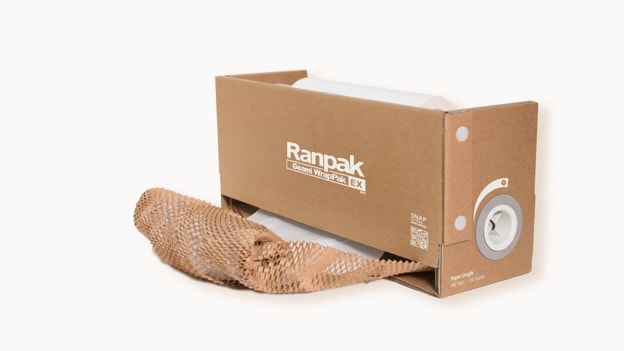
Depending on the application, Ranpak systems can turn paper into pads, protective structures, or shaped filler that surrounds products inside a box. Some solutions are designed specifically to fill empty spaces, while others provide cushioning around the products themselves. Now, that distinction matters because good packaging isn't simply about putting as much material as possible around an item. The goal is to create a stable package in which products have enough protection and aren't free to move around unnecessarily.
For international shipments, packaging becomes especially important.
A package may be handled several times before reaching its destination, passing through different transportation environments and distribution facilities. Shipping protection needs to account for that journey, not just the moment a box leaves a warehouse.
Why Is Paper Used for Packaging?
Paper has been used for shipping protection for generations, but modern protective paper packaging is considerably more sophisticated than simply stuffing a box with newspaper.

Specialized paper packaging can be engineered to perform different functions:
- Cushioning: Absorbs some of the impact products can experience during handling.
- Void filling: Occupies empty space so products are less likely to shift inside the box.
- Blocking and bracing: Helps keep items positioned within the package.
- Wrapping: Creates a protective layer around individual products.
- Surface protection: Helps separate products from one another and from the box walls.
Ranpak's paper systems serve these different purposes, including paper pads for cushioning and paper products designed to fill empty spaces.
This is why comparing paper with bubble wrap isn't quite as simple as asking which material is "stronger." Different packaging materials serve different purposes, and effective cushioning depends on the item, box, available space, and required protection.
Why Use Paper Instead of Bubble Wrap?
Bubble wrap is a useful packaging material, particularly for certain products that benefit from its cushioning and surface protection. But it isn't the only option, and frankly, it isn't always necessary.
For many shipments, paper can provide the protection needed while offering several practical advantages.
1. Paper Can Fill Empty Space Effectively
One of the biggest threats to a loosely packed product isn't necessarily a direct impact, but simple and frequent movement.
Imagine a pair of shoes inside a large box with several inches of space around them. Every time the box is moved, the shoes can slide around. Now, a suitable paper void-fill material helps fill that space and keeps the contents more stable.
Some Ranpak void-fill systems are specifically designed to create paper structures that fill empty areas efficiently. The company's FillPak Trident system, for example, uses a triangular paper shape for void filling, blocking, and bracing.
2. It Doesn't Depend on Plastic Air Pockets
Bubble wrap relies on air-filled plastic bubbles for cushioning. Paper packaging uses the paper's structure and properties to provide protection.
For customers looking for recyclable packaging, this distinction can matter, and Ranpak says its paper packaging materials are renewable, biodegradable, and curbside recyclable.
3. It Can Be Recycled After Unboxing
Once you've received your package, you don't necessarily need to find a special use for the paper filler. Clean paper packaging can generally enter the appropriate paper recycling stream, subject to local recycling rules. It’s that simple.
That makes eco-friendly packaging particularly convenient for international shoppers: the packaging doesn't have to become a permanent fixture in the household just because it protected something on its journey.
Is Paper Packaging Protective Enough?
Yes! But to be fair, this is only when the right packaging material is used correctly for the product, and that's the important qualification.
No packaging material can make an item completely immune to damage. Protection depends on several factors, including the item's weight, shape, fragility, original packaging, box size, and how much space needs filling.
Protective packing paper reduces unnecessary movement and provides cushioning appropriate to the shipment. Ranpak produces paper-based cushioning solutions designed to protect products ranging from relatively light goods to heavier items, including fragile products and electronics.
Shortly, a properly packed shipment should generally have:
A suitable outer box + appropriate cushioning + controlled empty space + secure positioning of the contents.
How Does Paper Protect Items During International Shipping?
International transportation adds another layer of complexity to packaging.
Your package may travel through multiple facilities and transportation methods before it reaches your door. It can be loaded, unloaded, sorted, transferred, stored, and moved again. The box itself also has to withstand the realities of being transported alongside thousands of other packages.
Paper packaging helps by addressing one of the most controllable factors inside the box: movement.
Cushioning Against Impact
Paper pads and other structured paper materials create space between products and the box or between individual items. This can help absorb and distribute some forces experienced during handling.
Reducing Product Movement
Void fill packaging occupies unused space, limiting how far the item can move inside the box.
Separating Multiple Items
When you put several purchases into one package, paper can help prevent individual products from rubbing against or striking each other.
Supporting Different Packaging Configurations
Not every shipment needs the same amount or type of protection. A soft garment, a boxed appliance, a pair of shoes, and a fragile decorative item present very different packaging challenges.
That's why modern packaging systems include different types of cushioning, wrapping, and void fill materials rather than relying on one universal solution.
Is Ranpak Environmentally Friendly?
Ranpak positions its paper-based packaging as a more sustainable alternative to many plastic-based packaging materials, and the company states that its paper packaging materials are renewable, biodegradable, and curbside recyclable.
Some Ranpak products are also made using paper certified under responsible forestry standards. They say its European manufacturing facilities have FSC® Chain of Custody certification and that packaging products produced for several international markets are FSC certified.
That said, sustainable packaging isn't the same thing as packaging with zero environmental impact.
Paper still requires raw materials, energy, manufacturing, and transportation. The environmental benefits depend on factors such as how the material is produced, how much is used, and what happens to it after use.
A more useful comparison is between an appropriately sized amount of recyclable paper protection and unnecessary quantities of plastic or other hard-to-recycle materials.
Can You Recycle Ranpak Paper Packaging?
In many cases, yes.
Ranpak states that its paper packaging materials are curbside recyclable, but recycling rules vary by location. This means that, before putting packaging into your recycling bin, you should check your local recycling guidelines, remove obvious contaminants, and separate the paper from other packaging materials when required.
If your local recycling service accepts it, that crumpled or structured paper can have a useful second life rather than immediately becoming household waste.
Why Does MyUS Use Ranpak Packaging?
When MyUS repackages a shipment, the objective isn't simply to make the box look neat, but to prepare your purchases for the realities of international shipping.

We receive packages at our facilities, open them for inspection, and check merchandise as part of our package-processing procedures. MyUS also offers repackaging designed to prepare purchases for international transportation and help reduce the risk of damage.
That means the packaging inside your shipment has a practical job.
Paper-based protective packing material can help MyUS:
- Fill unnecessary gaps inside a shipping box
- Reduce movement during transportation
- Cushion products against handling impacts
- Separate multiple purchases
- Prepare consolidated shipments for international transit
- Reduce reliance on plastic-based protective materials
- Use recyclable packaging that customers can dispose of more easily
For consolidated shipments, packaging is an important part of the process. Several purchases that arrived at the MyUS facility in separate retailer boxes may ultimately travel together in one international shipment. The contents need to be arranged and protected as a single package.
Does More Packaging Mean Better Protection?
Not necessarily.
More material isn't automatically better packaging.
An oversized box stuffed with excessive filler can still be poorly designed, so the objective is to use the right amount of protective packaging material for the contents and the box, rather than simply adding as much material as possible.
Modern packaging systems can even measure available space and dispense an appropriate amount of void fill; Ranpak's automated solutions, for example, use package dimensions and void measurements to determine how much paper is needed for protection.
This principle is especially relevant to international shipping, where packaging choices can affect both product protection and shipment efficiency.
What Should You Do With the Paper After Your Package Arrives?
Don't be too quick to throw it away.
If the paper is clean and your local recycling program accepts it, recycling is usually the simplest option. You can also keep intact paper packaging for future moves, storage, gifts, or your next shipment.
The important thing is to follow your local recycling rules rather than assuming every paper product belongs in the same recycling bin.
The Bottom Line: Why Paper Packaging Makes Sense
Ranpak isn't simply using paper instead of bubble wrap; it offers a range of purpose-designed paper packaging solutions that cushion products, fill space, reduce movement, and provide shipping protection throughout the supply chain (which can be crowded).
If you’re an international shopper, your purchases have a longer journey than a typical domestic delivery, and good packaging helps them arrive in the same condition in which they left the retailer.
Paper also offers another advantage: it can combine effective protection with a more easily recyclable material.
So the next time you open a MyUS shipment and find a nest of protective paper around your purchases, know there's a good reason. That paper isn't just taking up space in the box and making it harder to reach your goodies faster; it's there to manage space, protect your items, and help prepare your shipment for the journey ahead.
This article is provided for informational purposes only. Import requirements can change, and customs authorities make the final determination regarding admissibility, documentation, duties, taxes, and clearance of imported goods.